


Urinary tract infections (UTI) are one of the most common infections. In fact, they are the most frequent bacterial infections in women. It is estimated that around 40-60% of women develop a urinary tract infection at some point in their lives. The most common cause recognized by a pathologist to identify urinary infection is a bacteria called E. coli, but other bacteria and fungi can cause it as well. The most common symptoms include pain while urinating, frequent urination and a need to urinate even when the bladder is empty.
Urinary tract infection pathophysiology
There are several ways bacteria can infect the urinary tract. The most common way is when E. coli (or other bacteria like Klebsiella), which is normally present in the large bowel makes its way to the urethra, and from there into the bladder. The proximity of the urethra to the large intestine and the shorter length of the urethra in women are the reasons why the infection is more common in women than in men. Another way bacteria can get into the bladder is through a medical procedure called urinary catheterization.
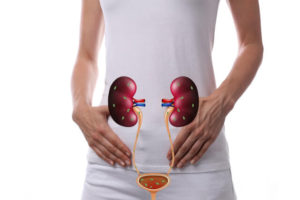 Once inside the bladder, bacteria stick to the wall of the bladder through a process known as adhesion and cause a bladder infection (cystitis). Once attached to the wall the bacteria stick to each other in layers creating something known as a biofilm. When in the form of a biofilm bacteria are more resistant to the body’s immune system and to antibiotics which is why urinary tract infections take a long time to cure.
Complications
The infection is usually limited to the bladder, but in some cases, bacteria can ascend and spread to the kidneys and cause a kidney infection (pyelonephritis). In most cases, only one of the kidneys is affected and the infection is mild, but in some cases, it can cause permanent damage, and if both kidneys are affected, chronic kidney failure.
 imunify-bot-check