


Infection is one of the most dreaded adverse reaction or risk in undergoing any surgical procedure. Because you are opening a part of your body and invasive steps are to be taken, the possibility of your surgical wound to be infected is understandably high. Let us find out the signs and symptoms that show you may have developed an infection after surgery and find out ways on how to treat them. Do you need antibiotics to avoid infection after surgery?
Signs and symptoms of infection
There are four sure signs of infection: inflammation, redness, pus or discharge, and fever. When these four or at least two are present, an infection may be considered. The patient may also complain of pain and tenderness around the incision wound, and this is brought about by the swelling and pressure on the area.
What to do when an infection develops after surgery
Consult your doctor. Inform your doctor about the signs and symptoms you have observed, when it started, and if there are other things you observed after the procedure.
Follow his advice. Proper diet, rest, hygiene, and intake of medications if any should be strictly followed, as well as your doctor’s dos and don’ts during your recovery period.
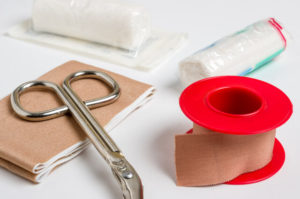 What to do to prevent post-surgery infection
- Maintain a healthy lifestyle before and after surgery.
- Proper wound care.
- Intake of antibiotics as prophylactic medication.
- Proper hygiene
Developing an infection is a common risk when planning to undergo any surgery. What is important is you and your doctor discussed the steps you need to take in order to prevent it from happening and trust the recommendations your doctor may give you before, during, and after the surgery.
 imunify-bot-check