

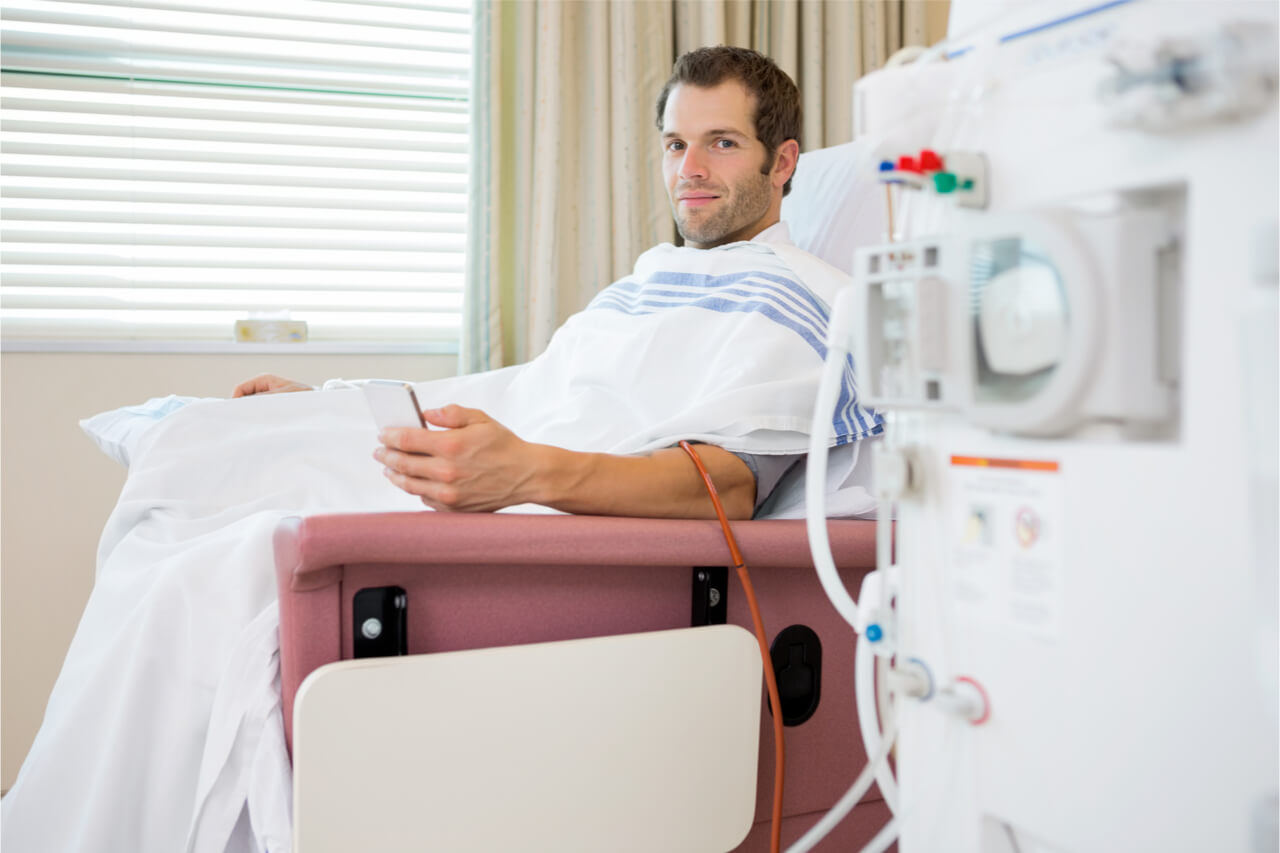
Dialysis is a lifesaving treatment for people with kidney failure. However, when you start this treatment, you will face various dialysis side effects. These include but are not limited to mineral imbalances, low blood pressure, infections, blood clots, and weight gain. Also, dialysis can cause dry mouth, leading to other oral problems. In short, treating kidney failure can affect your oral health. Keep reading to know the three common types of dialysis, the side effects of kidney dialysis, and how to lessen the issues during treatment.
What is Dialysis?
Healthy kidneys filter around 120 to 150 quarts of blood every day. If the kidneys do not work correctly, waste develops in the blood. In the end, this can prompt coma and death.
The reason may be a chronic or long-term condition, or an intense issue, for example, a trauma or a brief illness that influences the kidneys.
In short, dialysis prevents the side effects in the blood from arriving at dangerous levels. It can likewise eliminate drugs or toxins from the blood in an emergency situation.
Types of Dialysis
There are various sorts of dialysis. The three main methodologies are:
Intermittent Hemodialysis
Hemodialysis helps circulate the blood outside the body through a machine with unique filters. The blood emerges from the patient through a pliable cylinder known as a catheter. The filters eliminate the waste products from the blood, similar to the kidneys. Then, the filtered blood gets back to the patient through another catheter. The procedure works as an artificial kidney.
Generally, patients will have hemodialysis three times a week, for 3 to 4 hours per day. This will depend on how well the kidneys work and how much fluid they have acquired between treatments.
Peritoneal Dialysis
If hemodialysis filters the blood to remove impurities, peritoneal dialysis diffuses the blood through a sterile dialysate solution. This will run through a tube into the peritoneal cavity, the stomach body cavity encompassing the digestive tract. Peritoneal dialysis applies the usual filtering capacity of the inward covering of the abdomen to drain waste products from the blood.
Continuous Renal Replacement Therapy
Continuous renal replacement therapies (CRRT) are intended for 24-hour use in an intensive care unit (ICU). Also, there are various sorts of CRRT. It can include either filtration or diffusion. In any case, it is preferable to endure over intermittent dialysis since the solute or fluid removal is slower. Hence, this prompts fewer complications, such as a lower possibility of hypotension.
Common Complications of Kidney Dialysis
Dialysis is an essential procedure for people with kidney disease. Nonetheless, people receiving the treatment may face various unfavorable effects on the body. The most common side effect of all dialysis treatments is fatigue. Other incidental effects include:
Hemodialysis Side Effects:
Low Blood Pressure
During hemodialysis, low blood pressure or hypotension can happen. This is because of the loss of fluid during the procedure. Once the blood pressure drops, patients may experience blurry vision, clammy skin, dizziness, nausea, and vomiting.
Muscle Cramps
Dialysis may promote muscle cramps because of a change in fluid or mineral balance. Low degrees of sodium, calcium, magnesium, and potassium would all be able to assume a part in muscle cramping.
Itchy Skin
Between hemodialysis treatments, waste products can start to amass in the blood. For some individuals, this can prompt itchy skin. Also, if the itchiness is principally in the legs, it could be because of restless legs syndrome.
Blood Clots
At times, placing an access point prompts narrowing of the blood vessels. This can cause swelling in the upper portion of the body or even blood clots whenever left untreated.
Other Side Effects
Other dangers and symptoms of hemodialysis might include difficulty sleeping, anemia, heart conditions, or cardiac arrest. A large number of these effects are because of the fluid mineral and imbalances that dialysis can cause.
Peritoneal Dialysis Side Effects:
Peritonitis
An infection of the peritoneum occurs if bacteria enter the abdominal cavity lining during catheter insertion. The peritonitis symptoms may incorporate abdominal tenderness, pain, bloating, nausea, vomiting, and diarrhea.
Hernia
A hernia happens when an internal organ or fatty tissue protrudes through an opening in the muscle. People receiving peritoneal dialysis are in danger of fostering an abdominal hernia since the fluid in this system puts additional pressure on the abdominal wall. The most common symptoms of a hernia are swelling and pain in the abdomen.
High Potassium
Also known as hyperkalemia, high potassium is a common side effect of kidney disease. Between dialysis meetings, your potassium levels can develop because of the absence of appropriate filtration.
Weight Gain
Also, weight gain may happen because of the additional calories from dialysate or fluid intake administration. In any case, various other factors can likewise affect weight gain during dialysis, for example, lack of nutrition and exercise.
Other Side Effects
Many people experience stress and anxiety from constant medical procedures. This issue can lead to depression. Additionally, some studies suggested a potential connection between dialysis and dementia.
Side Effects of Continuous Renal Replacement Therapy (CRRT)
The symptoms of CRRT have not been just about as widely studied as those caused by other types. A 2015 study found that the most common aftereffects of CRRT included:
- high calcium levels
- low calcium levels
- low blood pressure
- high phosphorus levels
- arrhythmia
- hypothermia
- anemia
- low platelet count
Treatment For Dialysis Side Effects
Most side effects of dialysis occur because of nutrient imbalances during treatment. A registered dietitian can give suitable dietary recommendations, for example, what to eat and what to keep away from.
Other things you can do at home to reduce the side effects of dialysis include:
- getting enough exercise, like low to direct vigorous exercise, which can assist with diminishing weight gain
- checking your access site often, which can help to limit infection risk
- drinking water according to your healthcare provider’s directions, which can decrease dehydration
- having more continuous dialysis treatments, which may help reduce the risk of low blood pressure and weight gain
- enjoying your preferred activities, which can boost your mood all through treatment
Conclusion
Kidney function plays a vital role in the body. Once kidney function fails, you will need dialysis to help your body filter the blood. The most common side effects of hemodialysis are access site infection, low blood pressure, itchy skin, muscle cramps, and blood clots. On the other hand, peritoneal dialysis’s most common side effects include hernia, peritonitis, potassium imbalances, and weight gain.
It is essential to report any symptoms you encounter during treatment to your care team. They can assist you with overseeing them with dietary and lifestyle changes.
Moreover, once you notice any symptoms of low blood pressure, blood clots, or spreading infection, you should look for medical attention right away.
References:
Your Kidneys & How They Work.
https://www.niddk.nih.gov/health-information/kidney-disease/kidneys-how-they-work
Continuous Renal Replacement Therapy.
https://www.ncbi.nlm.nih.gov/pmc/articles/PMC6435902/
Hemodialysis.
https://www.kidney.org/atoz/content/hemodialysis
Low Blood Pressure (Hypotension).
https://www.uofmhealth.org/health-library/abg6277
Peritonitis.
https://www.hopkinsmedicine.org/health/conditions-and-diseases/peritonitis
 imunify-bot-check