


Are you or someone you know struggling with dental issues but held back by the high treatment costs? Free dental implants for low-income individuals might be the solution you’ve been searching for. Across America, various programs enable the treatment plan for those needing to regain their smiles and confidence without the financial burden. Join us as we explore how these initiatives work, who qualifies, and where to find them. Could this be the answer to your dental dilemmas? Read on to uncover the possibilities that await.
Understanding the Need for Free Dental Implants
Dental health is essential for overall well-being, yet access to comprehensive dental care remains out of reach for many due to financial constraints. Free dental implants for low-income individuals provide a critical solution to this gap, offering functional and psychological benefits.
The High Cost of Dental Implants
Implants are a superior solution for missing teeth, but their high price makes them inaccessible for many, particularly low-income adults, seniors, and veterans.
Role of Government and Private Programs
Various programs, including government grants, dental implant grants, and donated dental services, help subsidize the costs for those who qualify.
Involvement of Educational Institutions and Clinical Trials
Dental schools and clinical trials often offer free or reduced-cost implants for educational endeavors and research projects.
Community and Health Benefits:
Free implants improve individual smiles and reduce overall healthcare costs by preventing long-term oral health issues.
Expanding Accessibility: Efforts to increase the reach of these programs ensure that more people can benefit from crucial dental services without the burden of unaffordable costs.
Eligibility Criteria for Free Dental Implant Programs
Determining who qualifies for free dental implant programs involves a set of specific criteria designed to ensure that those most in need receive assistance. These programs primarily target low-income individuals, but other factors also play a crucial role in the selection process.
Income Level
The primary criterion is income. Applicants must typically demonstrate that their earnings fall below certain thresholds, aligning with low-income standards in their specific region.
Dental Health Needs
Priority is often given to those with significant dental health issues where dental implants are not merely cosmetic but necessary for basic function and overall health.
Lack of Insurance Coverage
Many programs require applicants to lack adequate dental insurance that covers the costs of implants, thus prioritizing those without other means of obtaining this care.
Residency Requirements
Eligibility may be limited to residents of certain areas where the program is offered, and proof of residency is required for application.
Additional Factors
Some programs might have specific eligibility criteria targeting seniors, veterans, or those with special health conditions that exacerbate their dental issues.
Finding Free Dental Implant Programs Near You

Locating free dental implant programs in your area requires research and networking. Still, the effort can lead to valuable and affordable dental implants and treatment opportunities, particularly for low-income individuals who otherwise couldn’t afford these services. Here’s how you can start your search:
- Local Dental Clinics and Hospitals: Start by contacting dental clinics and hospitals in your area. Many health facilities collaborate with charitable organizations and may have information about upcoming free dental implant programs or offer such services.
- Dental Schools and Universities: Dental schools are excellent resources for affordable dental care, including implants. These institutions often run programs where students, supervised by licensed dentists, provide services at a reduced cost or free as part of their training.
- Non-Profit Organizations and Charities: Look for non-profit organizations focusing on dental care. Organizations like Donated Dental Services (DDS) and the Dental Lifeline Network often have programs to provide free dental care, including implants, to those in need.
- Government Health Departments: Your local or state health department can provide information about free dental implant programs funded by government grants or initiatives. They can also guide you on qualifying and applying for these programs.
- Online Resources and Social Media: Utilize the internet to find resources and community groups dedicated to dental care assistance. Websites, forums, and social media groups can be great places to find leads and advice from others who have navigated the process.
The Application Process: Steps to Take
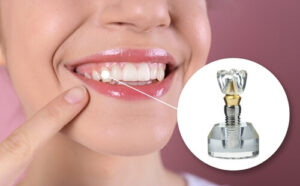
Applying for free dental implant programs can seem daunting, but understanding the steps involved can simplify the process and increase your chances of acceptance. Here’s a clear breakdown of the procedure and what you typically need to do:
Research Potential Programs: Start by identifying programs that offer free dental implants. Look into local dental schools, nonprofit organizations, and government-funded health centers. Websites like those of the Dental Lifeline Network or local health departments can be invaluable resources.
Gather Necessary Documentation: Most programs will require proof of income, residency, and a lack of adequate dental insurance. Prepare documents including tax returns, pay stubs, ID cards, and any current dental records demonstrating your need for implants.
Check Eligibility Requirements: Ensure you meet the program’s eligibility criteria before applying. These might include specific income levels, dental health conditions, and residency requirements. Understanding these will help you focus on suitable programs and avoid unnecessary applications.
Complete the Application: Complete the application forms accurately and provide all requested details. Incomplete or inaccurate applications can delay or hinder your acceptance.
Submit Dental Assessment Forms: Some programs may require an initial dental assessment to confirm the necessity of implants. This could involve visiting a dentist in Coorparoo at Complete Dental clinic participating in the program for a preliminary examination.
Follow Up Regularly: After submitting your application, contact the program administrators. Regular follow-ups can demonstrate your interest and eagerness and help keep your application at the forefront.
Prepare for Possible Waitlists: Due to high demand, some programs may place you on a waitlist. While waiting, continue to care for your dental health and seek other possible care options or temporary solutions.
In conclusion, free dental implants for low-income individuals are not just a dream; they are a reality that can significantly improve your quality of life. You can restore your smile by exploring the available dental work programs, understanding the eligibility requirements, and applying diligently. Don’t let financial constraints hold you back from achieving the dental health you deserve. Take the first step today towards a brighter, healthier future.
References
Best Ways to Get Free Dental Implants Through Programs
https://www.denefits.com/best-ways-to-get-free-dental-implants-through-programs-charities/
Here is Your Free Dental Implant Guide!
https://dentistry.uic.edu/patients/dental-services/general-family-dentistry/deciding-if-dental-implants-are-right-for-you/here-is-your-free-dental-implant-guide/
Drill-Free Dental Implants: An Easier, More Affordable Way
https://www.forbes.com/sites/geristengel/2023/04/19/drill-free-dental-implants-an-easier-more-affordable-way-to-replace-a-tooth/
How To Get Free Dental Implants For Low-Income Individuals
https://www.newmouth.com/oral-health/low-income-dental-implants/
Dental implant surgery
https://www.mayoclinic.org/tests-procedures/dental-implant-surgery/about/pac-20384622
 imunify-bot-check