


In surgeries, nephroureterectomy isn’t just an operation—it’s a significant step often taken to confront serious urological challenges. Picture this complex procedure as a dance, removing a kidney and its sidekick ureter, mainly to tackle upper urinary tract cancer. For those deciding to walk this path, it’s a journey filled with hurdles and hopes.
This article is our way of holding your hand through the ins and outs of nephroureterectomy, unveiling what goes on, the conditions that lead to it, and its impact on people’s lives. As we navigate the twists and turns of this procedure, we want to shine a light on its role in modern medicine and the innovations that have shaped how it’s done today. Come along as we reveal the heart of nephroureterectomy, sharing insights into why it matters so much in urology.
What is nephroureterctomy
Nephroureterectomy isn’t just a medical term—it’s a surgical procedure that involves bidding farewell to a kidney and its trusty sidekick, the ureter. Picture this: it’s a mission to tackle urothelial carcinoma, a form of cancer that takes residence in the urinary system’s lining. But the surgeon’s work doesn’t stop there; they might also remove the bladder cuff, ensuring every bit of cancerous tissue bids adieu.
This procedure isn’t a one-size-fits-all affair—it can unfold through traditional open surgery, the finesse of laparoscopy, or the precision of robotic assistance. When is it on the medical stage? Typically, it steps into the limelight when gentler treatments bow out or prove ineffective. Join us in unraveling the layers of radical nephroureterectomy, exploring the why, how, and when behind this significant intervention.
Who are the best candidates for nephroureterectomy
Nephroureterectomy is primarily performed to treat certain types of cancer, particularly upper tract urothelial carcinoma.
Choosing the right candidates for the nephroureterectomy team is no trivial task—it’s a delicate dance between potential benefits and inherent risks. Join us as we unravel the pre-surgical playbook, where factors like cancer stage, grade, overall health, and kidney function take center stage. This discussion guides you to understanding the traits and conditions that make an individual an ideal candidate for nephroureterectomy. Together, let’s navigate the path to informed decisions.
Best Candidates for Nephroureterectomy:
- Diagnosis of Upper Tract Urothelial Carcinoma: The primary indication for nephroureterectomy is the presence of cancer in the kidney or ureter, particularly transitional cell carcinoma.
- Localized Tumor: Patients with localized tumors that have not metastasized or spread extensively are ideal candidates.
- Adequate Renal Function: The patient must have sufficient overall renal function, particularly if the contralateral (opposite side) kidney has been compromised.
- Good Physical Health: Candidates should be healthy enough to withstand major surgery.
- Absence of Severe Comorbidities: Patients without significant heart, lung, or other systemic diseases are better suited for this surgery.
- No Prior Radiation Therapy in the Area: Previous radiation to the abdominal area may increase the risk of complications and can be a contraindication.
- Non-Invasive Tumor Characteristics: Tumors confined to the lining of the urinary tract without deep tissue invasion are more amenable to nephroureterectomy.
- Acceptable Surgical Risks: Patients should understand and accept the potential risks and complications associated with the surgery.
- Psychological Readiness: Mental preparedness and understanding the postoperative recovery process are crucial for a successful outcome.
The decision to undergo nephroureterectomy is multifaceted, requiring careful consideration of the patient’s specific medical condition, the nature of the tumor, and overall health.
Nephroureterectomy surgical procedure

Nephroureterectomy is a comprehensive surgical procedure primarily employed in the treatment of upper tract urothelial carcinoma.
Understanding the procedural steps, techniques, and postoperative care in nephroureterectomy is vital for patients and medical professionals alike, as it aids in preparing for the surgery and anticipating the recovery process.
Nephroureterectomy Surgical Procedure:
- Preoperative Assessment: Comprehensive evaluation, including blood tests, imaging studies, and assessments of renal function and overall health.
- Surgical Approach: This can be performed as an open surgery, laparoscopic nephroureterectomy, or robot-assisted laparoscopic nephroureterectomy. The choice depends on the tumor’s characteristics, the patient’s health status, and the surgeon’s expertise.
- Removal of the Kidney: The kidney is carefully dissected and removed. In laparoscopic and robotic procedures, this is done through small incisions using specialized instruments.
- Ureter and Bladder Cuff Excision: The entire ureter is traced and excised to the bladder. The bladder cuff, a portion of the bladder where the ureter inserts, is also removed to ensure complete cancer resection.
- Management of Bladder Cuff: Techniques for bladder cuff management vary; some involve a separate cystoscopic approach, while others use a laparoscopic stapling technique.
- Handling of Lymph Nodes: Depending on the extent of the disease, a regional lymph node dissection may be performed for staging and therapeutic purposes.
- Postoperative Recovery: Typically involves monitoring vital signs, pain management, and gradual return to activities. Recovery time varies based on the surgical approach used.
- Follow-Up Care: Regular follow-up is essential for monitoring for recurrence, managing any complications, and assessing kidney function.
Postoperative care and regular follow-up are integral to ensuring patient recovery and long-term health following the procedure. Patients undergoing nephroureterectomy should engage in detailed discussions with their healthcare providers to understand the surgery fully and prepare for the recovery process.
What are the differences between robotic-assisted laparoscopic nephroureterectomy and nephroureterctomy
In the evolving landscape of surgical techniques for urological cancers, understanding the differences between robotic-assisted laparoscopic nephroureterectomy and traditional nephroureterectomy is vital for both patients and medical professionals.
These two approaches, while aimed at treating the same condition – typically upper tract urothelial carcinoma – differ significantly in terms of procedure, recovery, and potential outcomes. A comparative analysis of these methodologies sheds light on their advantages and limitations, guiding surgeons and patients in their treatment choices.
Differences Between Robotic-Assisted Laparoscopic Nephroureterectomy and Traditional Nephroureterectomy:
Surgical Technique:
- Robotic-Assisted Laparoscopic Nephroureterectomy: Utilizes a minimally invasive approach with the assistance of robotic technology. It involves small incisions through which a camera and robotic instruments are inserted to perform the surgery.
- Traditional Nephroureterectomy: An open surgery method involving a larger incision to access the kidney and ureter directly.
Visualization and Precision:
- Robotic-Assisted: Offers enhanced 3D visualization and greater precision due to robotic instruments’ high degree of articulation and stability.
- Traditional: Relies on direct visualization by the surgeon, with the precision dependent on the surgeon’s skill and experience.
Recovery and Hospital Stay:
- Robotic-Assisted: Generally associated with a shorter hospital stay and faster recovery due to smaller incisions and reduced tissue trauma.
- Traditional: Typically involves a longer hospitalization and recovery period due to the larger incision and greater tissue disruption.
Postoperative Pain and Complications:
- Robotic-Assisted: Tends to result in less postoperative pain and fewer complications like infections or blood loss.
- Traditional: Higher likelihood of postoperative pain and potential for more significant complications.
Cost and Accessibility:
- Robotic-Assisted: Often more expensive due to the technology used and may only be available in some medical centers.
- Traditional: Generally less costly and widely accessible in most surgical centers.
Outcomes and Efficacy:
Both techniques are effective for removing the kidney and ureter for cancer treatment, but the choice depends on individual patient factors, tumor characteristics, and available resources.
Recovery after laparoscopic nephroureterectomy
Recovery after laparoscopic nephroureterectomy, a minimally invasive surgery for removing the kidney and ureter, typically involves a shorter and less painful recovery period compared to open surgery. This procedure, often employed in the treatment of upper tract urothelial carcinoma, requires specific postoperative care to ensure a smooth and effective recovery. Understanding the recovery process, time frame, and what patients can expect during this period is crucial for optimal healing and return to normal activities. In this discussion, we will outline the key aspects of recovery following laparoscopic nephroureterectomy, providing valuable insights for patients and caregivers.
Recovery after Laparoscopic Nephroureterectomy:
- Hospital Stay: The hospital stay is generally shorter, ranging from 2 to 4 days, depending on the patient’s recovery progress.
- Pain Management: Postoperative pain is usually less severe than with open surgery. Pain is managed with medications, and patients are encouraged to use them as directed to stay comfortable.
- Physical Activity: Patients are encouraged to engage in light activities, such as walking, soon after surgery to promote blood circulation and prevent blood clots.
- Incision Care: Care of small incision sites is crucial; keeping them clean and dry helps prevent infection.
- Monitoring for Complications: Patients should be vigilant for signs of complications, such as fever, excessive pain, or issues at the incision sites.
- Follow-up Appointments: Regular follow-up with the healthcare provider is essential for monitoring healing and kidney function.
- Diet and Hydration: A balanced diet and staying well-hydrated are important for recovery. A clear liquid diet may be recommended, gradually transitioning to normal food as tolerated.
- Restrictions: Bid heavy lifting and strenuous activities farewell for a few weeks, granting your body the time it needs to heal.
- Gradual Return to Normal Activities: Most patients can resume everyday activities step by step within a few weeks. However, remember that full recovery might unfold over several weeks to a few months.
- Emotional and Psychological Support: Beyond the physical, recovery encompasses emotional healing. Seek the comforting embrace of family, friends, or professional counselors to navigate this aspect of the journey.
As you traverse the path to wellness, remember that each step, no matter how small, brings you closer to reclaiming a fulfilling and vibrant life. You’re not alone – support is right beside you.
What is the difference between a nephrectomy and an Nephroureterectomy?
A nephrectomy entails the removal of a kidney, often due to cancer, a non-functioning kidney, or other kidney-related issues. In contrast, a nephroureterectomy extends beyond the kidney to include the removal of the ureter, and is typically performed to address cancers that involve the upper urinary tract. Exploring these differences provides clarity on the surgical options available for various urological conditions.
Differences Between a Nephrectomy and Nephroureterectomy:
- Scope of Surgery:
- Nephrectomy: Involves the surgical removal of all or part of a kidney. It can be a radical nephrectomy (whole kidney removed) or partial nephrectomy (only the diseased part of the kidney is removed).
- Nephroureterectomy: Entails the removal of the entire kidney, the ureter, and often a segment of the bladder (bladder cuff), addressing diseases that affect the entire upper urinary tract.
- Indications for Surgery:
- Nephrectomy: Commonly performed for kidney cancer, but also for non-cancerous conditions like a severely damaged or non-functioning kidney.
- Nephroureterectomy: Specifically indicated for upper tract urothelial carcinoma (UTUC), where the cancer affects the lining of the kidney’s drainage system and ureter.
- Surgical Complexity:
- Nephrectomy: Typically less complex than nephroureterectomy, as it involves only the kidney.
- Nephroureterectomy: More complex, as it requires the removal of additional structures (ureter and part of the bladder).
- Postoperative Considerations:
- Nephrectomy: Focuses on kidney function and compensatory adaptation of the remaining kidney.
- Nephroureterectomy: Involves monitoring for urinary tract function and potential complications related to bladder involvement.
- Recovery and Outcomes:
- Nephrectomy: Recovery depends on whether the surgery was partial or radical.
- Nephroureterectomy: Often entails a longer recovery due to the more extensive nature of the surgery.
While both nephrectomy and nephroureterectomy are crucial surgical procedures in urology, they serve different purposes and involve varying degrees of complexity. Understanding these differences is key to making informed decisions about the most appropriate surgical intervention for specific urological conditions. Patients facing either procedure should engage in thorough discussions with their healthcare providers to fully comprehend the implications, recovery process, and expected outcomes.
What is the survival rate after nephroureterectomy?
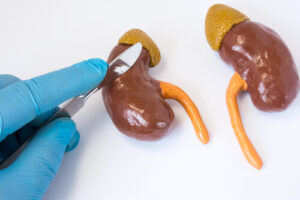
Embarking on the journey post-nephroureterectomy for upper tract urothelial carcinoma? Here’s a compass to guide you through cancer-specific survival and considerations:
Varying Conditions:
- Stage and Grade of Cancer: The survival narrative weaves intricately with the stage and grade of the cancer. For localized cases, where the disease remains confined to the kidney and ureter, a more promising prognosis often unfolds, marked by higher survival rates.
- Overall Health: Your overall health sets the stage. Factors like your resilience and well-being influence the course of your survival journey.
- Metastasis Presence: Metastasis casts a shadow on survival rates. Patients with advanced disease, especially those with distant metastases, often encounter lower survival rates.
Individual Brushstrokes:
Recognizing that survival rates are statistical brushstrokes on a canvas is crucial. Your journey is a unique masterpiece painted by a myriad of factors.
Advancements Illuminating the Path:
As surgical techniques and postoperative care undergo continuous evolution, beams of progress illuminate the path, contributing to enhanced survival rates for those undertaking the voyage of nephroureterectomy.
Your journey is personal, and within it lies the strength to navigate the unknown, fueled by advancements, resilience, and hope.
Conclusion
Nephroureterectomy, a vital surgery for upper tract urothelial carcinoma, significantly impacts patient outcomes, with survival rates depending on the cancer stage and overall health. The success of this procedure is closely tied to early detection, the right surgical approach, and effective postoperative care. Advancements in medical techniques continue to improve the prospects for those undergoing nephroureterectomy. Patients must discuss their treatment plans thoroughly with healthcare providers, ensuring a well-informed and personalized approach to their recovery and long-term health management.
References
Renal Cell Carcinoma (RCC) Treatment & Management Overview
https://emedicine.medscape.com/article/2036769-overview
Nephroureterectomy: ScienceDirect Topic Page
https://www.sciencedirect.com/topics/medicine-and-dentistry/nephroureterectomy
Upper Tract Urothelial Carcinoma: Contemporary Treatment Options
https://www.hindawi.com/journals/au/2009/316807/
Laparoscopic and Robotic Nephroureterectomy: UF Health Urology
https://urology.ufl.edu/patient-care/robotic-laparoscopic-urologic-surgery/procedures/laparoscopic-and-robotic-nephroureterectomy/
Management of Urothelial Carcinoma: A Comprehensive Review
https://wjso.biomedcentral.com/articles/10.1186/s12957-019-1601-0
 imunify-bot-check