

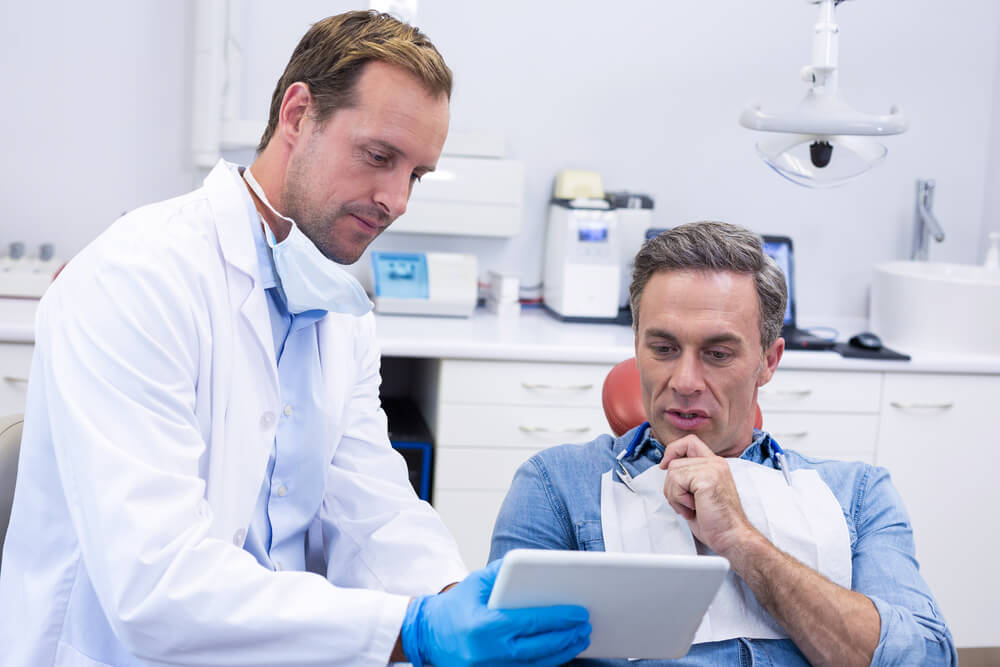
Oral cancer is a serious and potentially deadly disease affecting millions worldwide. According to the American Cancer Society, approximately 53,000 people will be diagnosed with oral cancer in 2021, and over 10,000 people will die due to this disease. However, early detection and treatment can significantly increase the chances of survival.
Oral cancer screening is one way to catch oral cancer in its early stages. Dentists in Bundaberg, QLD at Harrid Dental Boutique are often the first healthcare professionals to notice the signs and symptoms of oral cancer, making regular dental check-ups an essential part of maintaining your overall health.
This guide will discuss the importance of seeing oral cancer screening dentist and what you can expect during a screening appointment.
Signs of oral cancer
During the visual and physical exam, the dentist will check for symptoms of oral cancer. Common signs include white or red patches on the lips or mouth. The emergency dentist in Canberra at Definitive Dental also checks for bleeding sores that do not heal and lumps or hard spots. Crusted or roughened areas are also signs that the patient might have oral cancer. Also, the dentist must look for masses and nodules in the head, neck, mouth, and jawline.
The dentist also looks for pain, tenderness, numbness, and swelling. Even if the swelling is not painful, it could be a sign that something is wrong. The dentist also checks the bite. Many people who have oral cancer experience changes in the bite. The teeth might not fit together the same way, and the dentist in Richmond, NSW at Riverlands Dental can use X-rays to look for changes.
What is Oral Cancer Screening?
 Oral cancer screening is a visual and physical examination of the mouth, throat, and neck to detect any signs of cancer or other abnormalities. A dental professional trained in oral cancer screening will examine your mouth, tongue, gums, lips, and throat for any abnormalities such as sores, lumps, or lesions.
During the screening, the dentist may also feel for any lumps or irregularities in the neck and jaw area. They may recommend further testing or refer you to a specialist if they detect any suspicious areas or abnormalities.
Who Should Get Screened for Oral Cancer?
While anyone can develop oral cancer, several factors can increase your risk, including:
- Tobacco use (including smoking and smokeless tobacco)
- Heavy alcohol consumption
- Exposure to the human papillomavirus (HPV)
- Family history of oral cancer
- Previous history of oral cancer
- Age (over 55)
If you have any of these risk factors, it is essential to talk to your MyHM Dentist Kellyville about scheduling an oral cancer screening. However, even if you do not have any risk factors, it is still recommended to have regular dental screenings as a precautionary measure.
What Happens During an Oral Cancer Screening?
 During an oral cancer screening, your dentist will examine your mouth, throat, and neck for any abnormalities. They will use a bright light and a mirror to get a better view of the oral cavity and may also use their fingers to feel for any lumps or bumps in the neck and jaw area.
The screening is typically painless and only takes a few minutes to complete. If the dentist detects any suspicious areas or abnormalities, they may recommend further testing, such as a biopsy or imaging tests.
What to Expect After an Oral Cancer Screening?
If your oral cancer screening results are normal, you can continue with your regular dental check-ups. However, if abnormalities are detected, your dentist may discuss further testing or refer you to a specialist for a diagnosis.
It’s important to remember that detecting oral cancer in its early stages significantly increases the chances of successful dental treatment and recovery. If oral cancer is left undiagnosed and untreated, it can spread to other body parts and become life-threatening.
Oral Cancer Screening Dentist Characteristics
Some of the characteristics that you should look for in a dental professional trained in oral cancer screening include the following:
- Training: The dentist should have received specialized training in oral cancer screening and detection techniques. Ask about their training and certifications to ensure that they are qualified to perform the screening.
- Experience: Look for a dentist who has experience in performing oral cancer screenings. An experienced dentist will more likely identify abnormalities or suspicious areas during the examination.
- Updated knowledge: A good oral cancer screening dentist stays informed of the latest industry developments, including new screening techniques and technological advancements.
 Communication: Choose a dentist who can communicate clearly and answer any questions you may have about the screening process. They should explain the screening procedure and provide information on what to expect during and after the screening.
- Compassion: Oral cancer screenings can be stressful and may uncover concerning results. Look for a dentist who shows compassion, understanding, and empathy when communicating with you.
- Attention to Detail: A good oral cancer screening dentist will pay close attention to every detail of your oral cavity, including your tongue, gums, lips, and throat. This attention to detail increases the chances of identifying abnormal growth or lesions.
Choosing a dentist with the right training, experience, communication skills, and compassionate demeanor can help ensure a thorough and effective oral cancer screening.
Conclusion
As you can see, regular oral cancer screenings are crucial for everyone’s health and well-being. Oral cancer can spread if it is not diagnosed and treated. Go to your dentist in Gosford, NSW so you can undergo a screening. By getting screened regularly, you can catch oral cancer in its earliest stages, increasing the chances of successful treatment and recovery.
Your dentist will begin by asking you questions. Then, your dentist in Preston, VIC at Chic Dental will conduct a visual and physical examination to check for symptoms. If you have suspicious tissue, you will need to get it biopsied to determine if you have oral cancer. Finding oral cancer early can prevent it from spreading to other parts of your body, so schedule regular screenings with your My Local Dentists in Burwood, NSW.
So if you haven’t had an oral cancer screening recently, talk to your dentist today about scheduling one. Your health and well-being may depend on it.
References:
https://my.clevelandclinic.org/health/diagnostics/21056-oral-cancer-screening
https://www.ncbi.nlm.nih.gov/pmc/articles/PMC8529297/
https://www.cancerresearchuk.org/about-cancer/mouth-cancer/getting-diagnosed/screening
 imunify-bot-check