

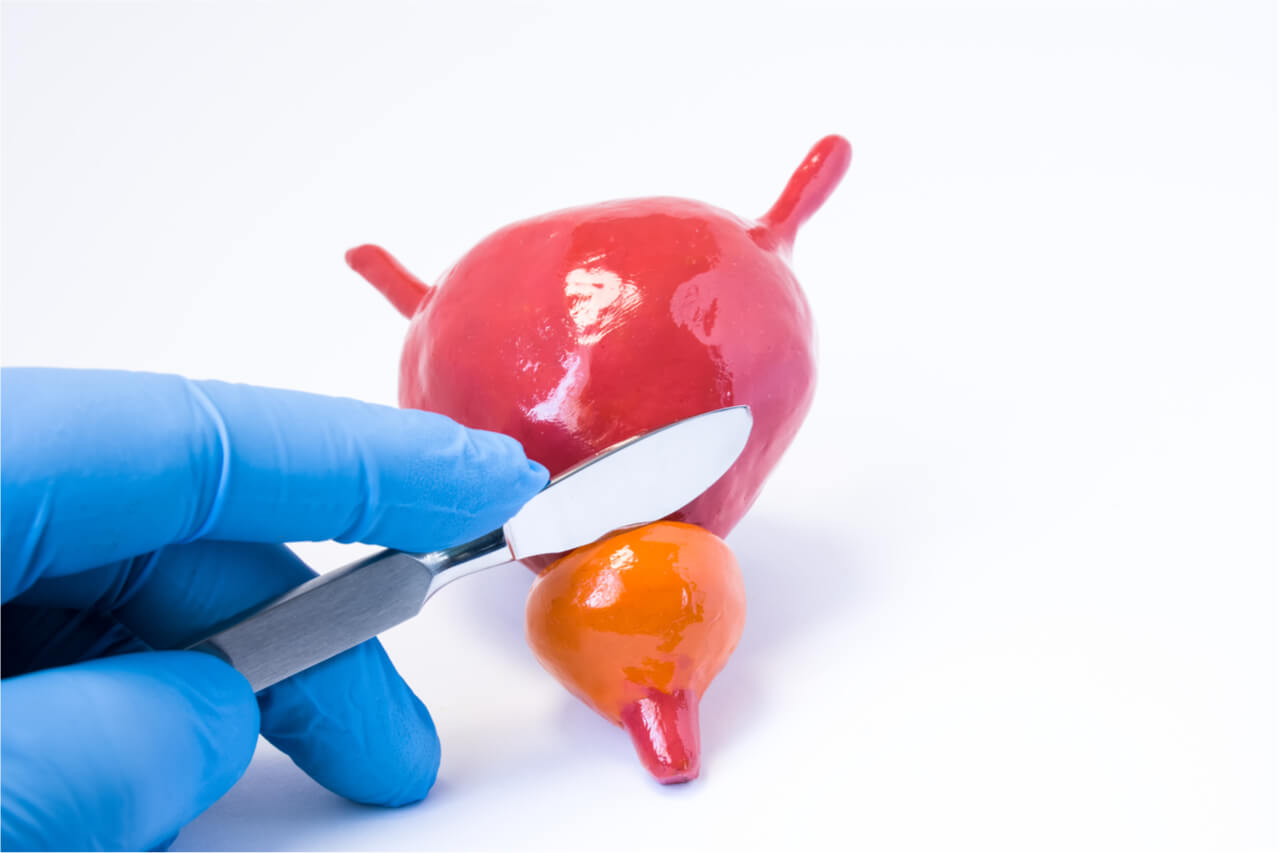
Urinary diversion is a surgical procedure required when the bladder is unable to perform its function, or its removed (cystectomy). Due to the disrupted flow, the urine is redirected to a different channel out of the body. Basically, there are only three urinary diversion types. You can find out more about them below.
Urinary diversion types
1. Ileal conduit (urostomy)
This is the most common procedure urologists use when treating patients with bladder problem. This is because this kind of diversion is reliable and require the shortest time to perform. The surgical procedure will see a passage created from the ureter to a small opening in the abdomen. This opening is usually referred to as a stoma. A small bag is then placed through the stoma for the urine to drain. The bag will need to be emptied about four times a day.
The downside part of this procedure is that there is a great risk of developing hernias around the stoma site. This is because both the stoma and the bag are attached to the skin.
2. Orthotopic continent urinary diversion 
In this procedure, a pouch is created from a portion of bowel which is used to hold urine. The pouch is connected to the ureter which is connected to the kidney. A valve is used between the pouch and stoma to drain the urine through the catheter. This now means that unlike urostomy, it will not require a bag as the pouch is internal. Problems associated with this diversion are the perforation of the pouch and the scary catheterizable channel.
3. Neo-bladder to urethra diversion
Here, a portion of the bowel is used to make a neo-bladder that resembles a sphere. The top portion is then connected with tubes from the ureter. This now will work like a bladder collecting urine. The urethra is then connected to the neo-bladder which works almost similar to normal urinary function. However, some patients may not have the option of choosing this procedure.
Problems associated with this procedure mostly happens during the night. Due to inadequate emptying of the neo-bladder and sphincter relaxation, a person will experience incontinence which is quite uncomfortable.
Conclusion
Having to pass your urine through a diversion will first be a challenge. However, you will be given some instruction on how to properly do that depending on the type of urinary diversion. Consult your doctor if you are having a similar problem to help you decide on the best diversion to go with.
 imunify-bot-check