

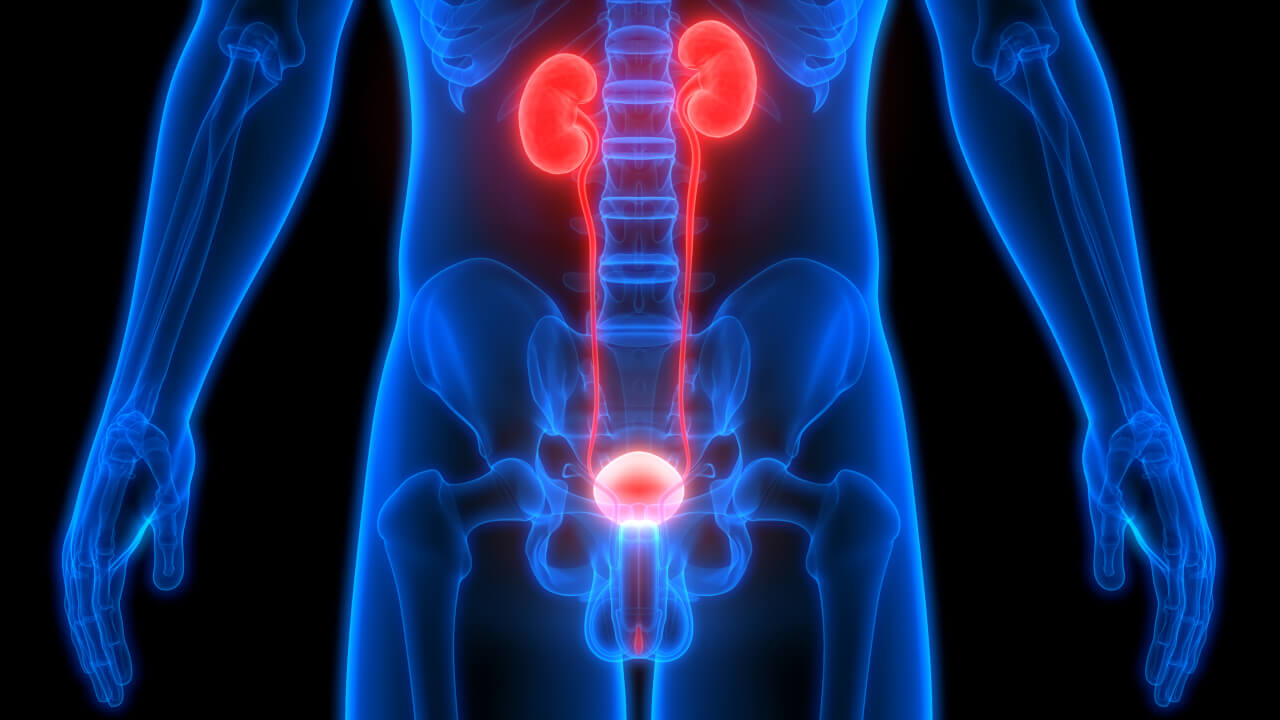
The purpose of the urinary system is to filter the body’s blood to create urine. The anatomy of the urinary system is composed of 2 kidneys, 2 ureters, 2 sphincter muscles, the bladder, the urethra, and nerves in the bladder. Given the underlying complexity, it should come as little surprise that a multitude of urinary system diseases can affect people. Read on or search online for more information on these diseases.
Urinary Tract Infection
The condition occurs as a result of a bacterial infection gaining access to any part of the urinary tract. Since all parts of the urinary tract are equally susceptible to infection, it can lead to further complications such as urethritis, cystitis, abscess, or pyelonephritis. Antibiotics are the standard treatment for all classes of urinary tract infection.
Interstitial Cystitis
Interstitial cystitis is a chronic bladder condition which arises when the bladder wall becomes inflamed or irritated. The condition can lead to reduced bladder capacity, scarring of the bladder, and reduced bladder elasticity. Patients may experience bladder pressure, bladder pain, pelvic pressure, pain during sex, and a need to urinate frequently.
Although the cause of interstitial cystitis remains unclear, researchers have noted that the condition often appears in patients who have a pre-existing defect in the bladder lining. Patients’ symptoms can be eased through a variety of methods. These options include;
- Bladder enlargement
- Transcutaneous electrical nerve stimulation
- Bladder removal surgery
Kidney Stones
Kidney stones develop when the chemicals which are naturally present in urine reach highly concentrated levels. There are a number of different types of kidney stones, which are classified according to their chemical makeup. These are;
- Calcium stones
- Struvite stones
- Uric acid stones
- Cysteine stones
 The most common symptoms include;
- Intense back and side pain
- Blood in urine
- Nausea
- Vomiting
- Cloudy urine
- Frequent urination
- Fever
The treatment method for kidney stones is dictated by a number of factors, which include the precise symptomatology, age, the severity of the condition, and the patient’s general health. Treatment include;
- Tunnel surgery
- Potassium citrate
- Ureteroscope
- Extracorporeal shockwave lithotripsy
Bladder Cancer
The majority of bladder cancers are categorized as transitional cell cancers. Symptoms of bladder cancer resemble those of many other conditions of the urinary system. Symptoms include;
- Back and pelvic pain
- Difficulty urinating
- Urgent or frequent urination
A cystoscopy, which involves the surgical removal of cancer, can be used to treat early-stage bladder cancer. More advanced forms of cancer can be treated using chemotherapy or by injecting the BCG vaccine into the bladder.
Incontinence
Incontinence is used to describe a condition wherein a patient experiences difficulties holding either their urine or stool. The condition has multiple causes. It can be caused by:
- Nerve damage in sphincter muscles
- Diarrhea
- Constipation
- Nervous system damage
- Rectal prolapse
- Rectocele
- Crohn’s disease
- Ulcerative colitis
Reflecting the multitude of underlying causes, the range of treatment options available is similarly varied. These include;
- Kegel exercises
- Increasing fiber intake
- Electrical stimulation
- Surgery to repair damage to nerves or muscles
 imunify-bot-check