


The inquiry into whether sugar exacerbates bladder symptoms in UTIs highlights the intricate link between diet and urinary tract infections. We aim to explore whether consuming sugar can exacerbate UTI symptoms, offering insights into how dietary choices may affect the body’s response to these infections.
Join us as we navigate through scientific findings and expert opinions to unravel the effects of sugar on UTI progression, providing valuable information for those seeking to manage or prevent UTIs through lifestyle adjustments.
Understanding Urinary Tract Infections Causes
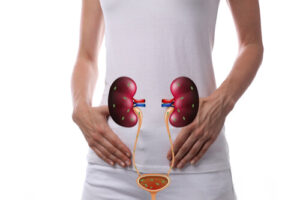
Grasping the origins of urinary tract infections (UTIs) is essential for their prevention and successful management. UTIs arise when bacteria, typically E. coli, infiltrate the urinary tract via the urethra, causing infections within the bladder or elsewhere within the urinary system. The likelihood of experiencing UTIs is heightened by factors such as compromised immune function, specific dietary habits, and behaviors that may facilitate bacterial entry or proliferation.
Key contributors to UTI development include:
Bacterial Entry:
The primary cause of UTIs is bacteria entering the urinary tract, with E. coli being the most common culprit.
Immune System Health:
A strong immune system can often fend off the bacteria before it causes an infection; however, anything that weakens immunity can increase susceptibility to UTIs.
Dietary Habits:
Eating and drinking items that agitate the bladder, like caffeine, alcohol, and spicy foods, can increase the risk of urinary tract infections. Similarly, a high sugar intake can potentially worsen UTI symptoms by promoting bacterial growth.
Hydration:
Insufficient fluid intake can reduce the frequency of urination, allowing bacteria to settle and multiply in the urinary system.
Personal Hygiene Practices:
Improper bathroom hygiene can facilitate the transfer of bacteria to the urethra.
Symptoms of Urinary Tract Infection
Urinary tract infections (UTIs) are common ailments that affect any part of the urinary system. Symptoms range from mild irritations to severe discomfort. Recognizing the symptoms of a UTI is key to seeking timely treatment and preventing the infection from worsening or spreading. Understanding these indicators allows individuals to identify potential UTIs early and consult healthcare professionals for appropriate care.
Notable symptoms of urinary tract infections include:
Painful Urination
One of the most immediate signs of a UTI is a burning sensation or pain during urination.
Frequent Urination
Experiencing an urgent need to urinate frequently, often with little urine passed, is a common symptom.
Cloudy or Strong-smelling Urine
UTIs can cause urine to appear cloudy or unusually dark, accompanied by a strong or unpleasant odor.
Pelvic Pain
Women may feel pain in the lower abdomen and pelvis area, while men might have rectal pain.
Blood in Urine
This condition is known as hematuria, blood in the urine can indicate a more severe infection.
Exploring the Connection: Sugar’s Impact on UTI Severity

While sugar does not directly cause UTIs, its impact on the body’s immune system and the urinary tract environment can significantly affect how these infections develop and persist. Understanding the relationship between sugar consumption and UTI severity is crucial for individuals looking to manage their bladder infection risk and improve their overall urinary health.
Key points in sugar’s impact on UTI severity include:
- Promotes Bacterial Growth: High levels of sugar in the diet can create an environment in the urinary tract that supports the growth of bacteria, including those responsible for UTIs.
- Weakens Immune Response: Excessive sugar intake can impair the immune system’s effectiveness, potentially slowing down the body’s natural ability to fight urinary infections.
- Chronic Inflammation: Sugar can contribute to overall inflammation in the body, which may worsen the symptoms of a UTI, such as pain and urgency to urinate.
Dietary Considerations: Managing Sugar Intake to Support UTI Treatment
Managing sugar intake is crucial in supporting treating and preventing urinary tract infections (UTIs). A diet high in sugar can exacerbate UTI symptoms and potentially lead to more frequent occurrences by fostering an environment conducive to bacterial growth. Thus, dietary considerations become pivotal for individuals looking to mitigate the impact of UTIs and enhance their overall urinary health.
Important dietary considerations for managing sugar intake and a healthy diet include:
- Limiting Sugary Foods and Drinks: Limiting foods and beverages high in sugar can help minimize the risk of bacterial overgrowth associated with UTIs.
- Incorporating Low-Sugar Alternatives: Opting for healthier, low-sugar alternatives can support urinary health without sacrificing taste or satisfaction.
- Staying Hydrated: Staying well-hydrated by consuming ample water assists in clearing bacteria from the urinary tract, thereby decreasing the chance of infection and supporting the healing process.
- Including Probiotic-Rich Foods: Foods like yogurt and kefir contain probiotics that can support a healthy urinary tract by maintaining a balance of good bacteria.
Alternative Dietary Strategies for Preventing and Managing UTIs

By focusing on foods and fluids that support urinary health, individuals can enhance their body’s defenses against bladder infections and potentially reduce the frequency and severity of UTIs. Emphasizing hydration, vitamin-rich foods, and certain supplements can create an environment less favourable for bacterial growth and infection in the urinary tract.
Effective dietary strategies include:
- Increased Water Intake: Maintaining good hydration levels aids in washing bacteria out of the urinary tract, which lowers the chances of developing infections.
- Cranberry Consumption: Consuming unsweetened cranberry juice or taking cranberry supplements regularly can help stop bacteria from adhering to the walls of the urinary tract, though the effectiveness of this approach can differ from person to person.
- Probiotics: Probiotic-rich foods, like yogurt, contribute to a balanced bacterial environment in the body, bolstering the immune system and potentially warding off urinary tract infections.
- Vitamin C: A diet high in vitamin C can increase urine acidity, potentially making the environment less hospitable for UTI-causing bacteria.
- Avoid Bladder Irritation: Cutting back on or avoiding bladder irritants such as caffeine, and spicy foods can alleviate symptoms and discomfort associated with urinary tract infections.
In summing up the discussion on the possibility of UTI worsening after consuming too much sugar, it’s evident that diet plays a significant role in managing and potentially influencing the severity of urinary tract infections. While the direct impact of sugar on UTIs requires careful consideration of individual health conditions and dietary habits, reducing sugar intake could benefit overall health and mitigate UTI symptoms. Consulting with healthcare professionals for personalized advice is crucial for those looking to adjust their diet in response to UTIs. Making informed dietary choices can support UTI management and promote a healthier lifestyle.
References
Urinary tract infections in patients with type 2 diabetes mellitus
https://www.ncbi.nlm.nih.gov/pmc/articles/PMC4346284/
THE TRUTH ABOUT SUGAR AND INCONTINENCE
https://nafc.org/bhealth-blog/the-truth-about-sugar-and-incontinence/
Is Milk Bad for a UTI? Things to Consider
https://www.healthline.com/health/is-milk-bad-for-uti
What to eat and drink if you have a urinary tract infection
: https://globalnews.ca/news/3906036/urinary-tract-infection-food/
Foods You Shouldn’t Eat When Treating a UTI
https://www.everydayhealth.com/urinary-tract-infections-pictures/foods-and-drinks-that-may-irritate-your-bladder-1028.aspx
 imunify-bot-check