


Oral cancer is a potentially life-threatening disease that affects thousands of individuals every year. It encompasses cancers of the mouth, tongue, lips, throat, and parts of the nose, collectively known as oral and oropharyngeal cancer. While it is a daunting diagnosis, early detection and prevention are key to reducing the mortality rate associated with this disease. Discover the crucial role of dentist in prevention of oral cancer, making them an indispensable part of the healthcare system.
Understanding Oral Cancer
Oral cancer refers to malignant growths in the oral cavity, which includes the lips, gums, tongue, the inner lining of the cheeks, the roof of the mouth, and the floor of the mouth. When this cancer occurs in the throat or the back of the mouth, it is referred to as oropharyngeal cancer. Both types are collectively termed oral and oropharyngeal cancer.
Squamous Cell Carcinoma
Squamous cell carcinoma is the most common type of oral cancer, accounting for more than 90% of all cases. It originates in the squamous cells that line the oral cavity and oropharynx. This type of cancer can occur on the lips, inside the cheeks, on the gums, on the floor of the mouth, on the roof of the mouth, and on the tongue. Key risk factors include tobacco use, alcohol consumption, and HPV infection.
Verrucous Carcinoma
Verrucous carcinoma is a rare, slow-growing type of squamous cell carcinoma. It typically appears as a wart-like growth and is less likely to spread to other parts of the body. This type of cancer is often found on the gums, the inner lining of the cheeks, and the floor of the mouth. It is strongly associated with the use of smokeless tobacco.
Minor Salivary Gland Carcinomas
These cancers originate in the minor salivary glands found throughout the lining of the mouth and throat. Types of minor salivary gland carcinomas include adenoid cystic carcinoma, mucoepidermoid carcinoma, and polymorphous low-grade adenocarcinoma. They can occur in various parts of the oral cavity, including the lips, cheeks, and palate.
Lymphomas
Lymphomas are cancers that originate in the lymphatic system. When they occur in the oral cavity or oropharynx, they are referred to as oral lymphomas. These cancers can develop in the tonsils, the base of the tongue, and the soft palate. Lymphomas are linked to weakened immune systems and certain infections, such as Epstein-Barr virus (EBV) infection.
Melanomas
Oral melanomas are rare and aggressive cancers that originate in the pigment-producing cells (melanocytes) of the oral mucosa. They can occur on the gums, the palate, and the inside of the cheeks. These cancers are often darkly pigmented and can be challenging to diagnose early.
Sarcomas
Sarcomas are cancers that originate in the connective tissues, such as muscle, fat, and bone. In the oral cavity, sarcomas can develop in the jawbones, the floor of the mouth, and the tongue. Types of sarcomas that can occur in the mouth include osteosarcoma, chondrosarcoma, and fibrosarcoma.
Risk Factors for Oral Cancer
Several risk factors contribute to the development of oral cancer, including:
- Tobacco Use:
 Smoking cigarettes, cigars, or pipes, as well as using smokeless tobacco products, are significant risk factors.
 - Alcohol Consumption: Heavy alcohol use increases the risk of developing oral cancer, especially when combined with tobacco use.
- HPV Infection: Human papillomavirus (HPV) infection, particularly HPV type 16, is linked to oropharyngeal cancers.
- Poor Oral Hygiene: Lack of proper oral care can contribute to the development of oral cancers.
- Sun Exposure: Prolonged exposure to the sun can increase the risk of lip cancer.
- Diet: A diet low in fruits and vegetables can increase the risk.
- Age: The risk of oral cancer increases with age, particularly after the age of 45.
- Genetics: A family history of cancer can also be a risk factor.
The Role of Dentists in Oral Cancer Prevention
Dentists are on the frontline of oral cancer prevention. Their role is multifaceted, involving regular screenings, patient education, and promoting good oral hygiene practices.
Oral Cancer Screening
One of the most critical roles of dentists is the early detection of oral cancer. During routine dental check-ups, dentists perform thorough oral cancer screenings. These screenings involve examining the entire oral cavity and oropharyngeal area for any abnormalities or lesions that could indicate cancerous changes. This process includes:
- Visual Examination: Dentists inspect the lips, gums, tongue, inside of the cheeks, and the roof and floor of the mouth for any signs of abnormalities.
- Palpation: Dentists palpate the neck, jaw, and oral cavity to detect lumps or hardened tissues.
- Use of Special Tools: Some dentists use specialized tools like VELscope or Vizilite to enhance the detection of oral cancer. These tools use light to highlight abnormal tissues.
Education and Awareness
Dentists also educate their patients about the risk factors and symptoms of oral cancer. This includes advising on lifestyle changes to prevent oral cancer, such as:
- Quitting Tobacco: Encouraging patients to quit smoking and using smokeless tobacco.
- Reducing Alcohol Consumption: Advising on the risks associated with heavy alcohol use and promoting moderation.
- Promoting HPV Vaccination: Informing patients about the benefits of HPV vaccination in preventing HPV-related oropharyngeal cancers.
- Emphasizing Good Oral Hygiene: Educating patients on maintaining good oral hygiene to reduce the risk of cancer and other oral health issues.
Regular Dental Check-ups
Routine dental visits are vital for the prevention and early detection of oral cancer. Dentists in Pennant Hills, NSW can identify precancerous changes during these visits, which can be treated before they develop into full-blown cancers. Early detection significantly improves the chances of successful treatment and can be life-saving.
Symptoms of Oral Cancer
Patients should be aware of the symptoms of oral cancer so they can seek timely medical attention. Common symptoms include:
- Persistent sores in the mouth that do not heal.
- Lumps or thickening in the oral cavity.
- Red or white patches on the gums, tongue, tonsils, or lining of the mouth.
- Difficulty swallowing or chewing.
- Persistent sore throat or feeling that something is caught in the throat.
- Numbness or pain in the mouth or lips.
- Changes in voice or chronic hoarseness.
Methods for Early Detection of Oral Cancer
Routine Dental Examinations
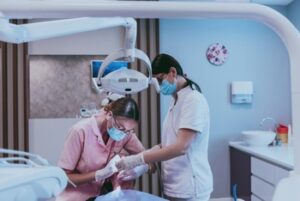 Regular dental check-ups are the cornerstone of early detection for oral cancer. During these visits, Croydon dentists perform comprehensive oral examinations to identify any abnormalities or changes that could indicate the presence of cancerous or precancerous lesions.
Visual Inspection
The first step in oral cancer screening is a thorough visual inspection of the entire oral cavity, including:
- Lips: Examining the lips for any sores, discoloration, or lumps.
- Gums: Checking for unusual growths, color changes, or bleeding.
- Tongue: Inspecting the top, sides, and underside of the tongue for any abnormalities.
- Cheeks: Looking inside the cheeks for red or white patches, lumps, or sores.
- Floor and Roof of the Mouth: Assessing these areas for any unusual changes in texture or color.
- Throat and Tonsils: Checking the back of the throat and tonsils for swelling, discoloration, or lesions.
Palpation
In addition to visual inspection, MyHM Dentist Kellyville use their hands to palpate (feel) the oral cavity and surrounding areas, such as the neck and jaw. This helps detect any lumps, hardened tissues, or other abnormalities that may not be visible to the naked eye.
Use of Special Tools
Dentists may also use specialized tools and technologies to enhance the detection of oral cancer:
- VELscope: This device uses a special light to highlight abnormal tissues that may not be visible under regular lighting. Healthy tissues appear dark, while abnormal tissues fluoresce.
- Vizilite: After rinsing the mouth with a special solution, dentists use a light source to make abnormal tissues appear white, making them easier to identify.
- Orascoptic DK: A system that uses a blue-white LED light to detect abnormal tissue changes in the oral cavity.
Biopsy and Cytology
If a dentist identifies a suspicious lesion or abnormality, they may recommend a biopsy to confirm the diagnosis. There are different types of biopsies that can be performed:
- Excisional Biopsy: Removal of the entire suspicious area for examination.
- Incisional Biopsy: Removal of a small sample of the suspicious tissue.
- Brush Biopsy: Using a brush to collect cells from the surface of a suspicious lesion.
The collected tissue is then examined under a microscope to determine if cancer cells are present. In some cases, dentists may also use exfoliative cytology, where cells are scraped from the surface of a lesion and examined.
Advanced Imaging Techniques
Advanced imaging techniques can also aid in the detection and diagnosis of oral cancer:
- X-rays: Used to check for any spread of cancer to the jawbone.
- CT Scans (Computed Tomography): Provides detailed images of the mouth, throat, and neck to detect the extent of cancer spread.
- MRI (Magnetic Resonance Imaging): Offers detailed images of soft tissues, helping to identify the size and spread of tumors.
- PET Scans (Positron Emission Tomography): Used to detect cancerous cells throughout the body.
Identifying Symptoms and Self-Examination
Educating patients about the symptoms of oral cancer and encouraging self-examination can also aid in early detection. Patients should be aware of the following symptoms and seek immediate dental or medical attention if they experience any of them:
- Persistent Sores: Sores in the mouth that do not heal within two weeks.
- Lumps or Thickening: Any unusual lumps or thickening in the oral cavity or neck.
- Red or White Patches: Patches on the gums, tongue, tonsils, or lining of the mouth.
- Difficulty Swallowing: Pain or difficulty when swallowing.
- Chronic Sore Throat: A sore throat that persists and does not go away.
- Numbness or Pain: Unexplained numbness, pain, or tenderness in the mouth or lips.
- Voice Changes: Chronic hoarseness or voice changes.
- Unexplained Bleeding: Bleeding in the mouth without an obvious cause.
Patients can perform self-examinations at home by using a mirror to inspect their lips, gums, tongue, and the inside of their cheeks for any unusual changes. Regular self-examinations can help individuals become more familiar with their oral cavity, making it easier to notice any new or unusual developments.
Importance of Early Detection
Early detection of oral cancer is crucial because it can significantly improve the prognosis. The survival rate for patients diagnosed with early-stage oral cancer is much higher compared to those diagnosed at a later stage. Dentists play a pivotal role in this early detection, making regular dental check-ups an essential part of cancer prevention.
Good Oral Hygiene Practices
 Maintaining good oral hygiene is fundamental in preventing oral cancer and other oral health issues. A dentist in Chatswood, NSW at Boutique Dental Care provide valuable guidance on how to keep the mouth healthy. Key practices include:
- Brushing and Flossing: Regular brushing and flossing to remove plaque and food particles.
- Healthy Diet: Consuming a balanced diet rich in fruits and vegetables.
- Limiting Sugar Intake: Reducing the consumption of sugary foods and drinks.
- Avoiding Tobacco and Alcohol: Steering clear of tobacco products and limiting alcohol consumption.
- Regular Dental Visits: Scheduling routine dental check-ups with a Dubbo dentist for professional cleaning and oral cancer screenings.
Conclusion
The role of dentists in the prevention of oral cancer cannot be overstated. Through regular screenings, patient education, and promoting good oral hygiene, dentists are at the forefront of cancer prevention. Early detection and prevention are key to reducing the incidence and mortality rate of oral cancer. By maintaining regular dental visits and adhering to good oral hygiene practices, individuals can significantly lower their risk of developing this potentially life-threatening disease. The dental profession, therefore, stands as a glorious and essential part of the healthcare system, committed to safeguarding not just oral health but overall well-being.
References:
https://www.mdanderson.org/publications/focused-on-health/how-your-dentist-can-help-with-oral-cancer-prevention.h29-1593780.html
 imunify-bot-check